What to Expect From the Tooth Extraction Procedure
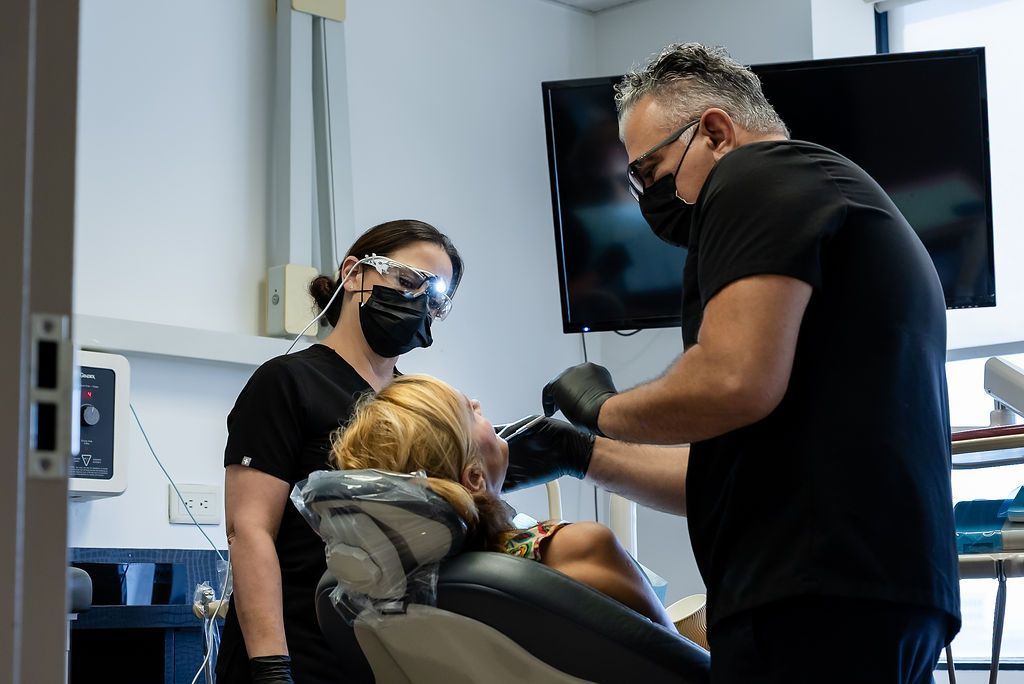
Tooth extraction is an outpatient procedure designed to help patients by removing one or more teeth. It is a fairly common treatment aimed at providing relief to those experiencing pain, discomfort, or dental issues that cannot be fixed with other treatments. Whether due to severe decay, infection, or overcrowding, tooth extractions are a necessary step to restore oral health. Dr. Nader Afshari, DDS, at Beverly Hills Dental, will thoroughly assess your situation and explain the process, making sure you understand what to expect every step of the way. For more information, contact us today or book an appointment. We are conveniently located at 414 North Camden Drive #925, Beverly Hills, CA 90210.


Table of Contents:
What is tooth extraction?
What are the reasons for a tooth extraction?
What should I expect during the tooth extraction procedure?
What is tooth removal?
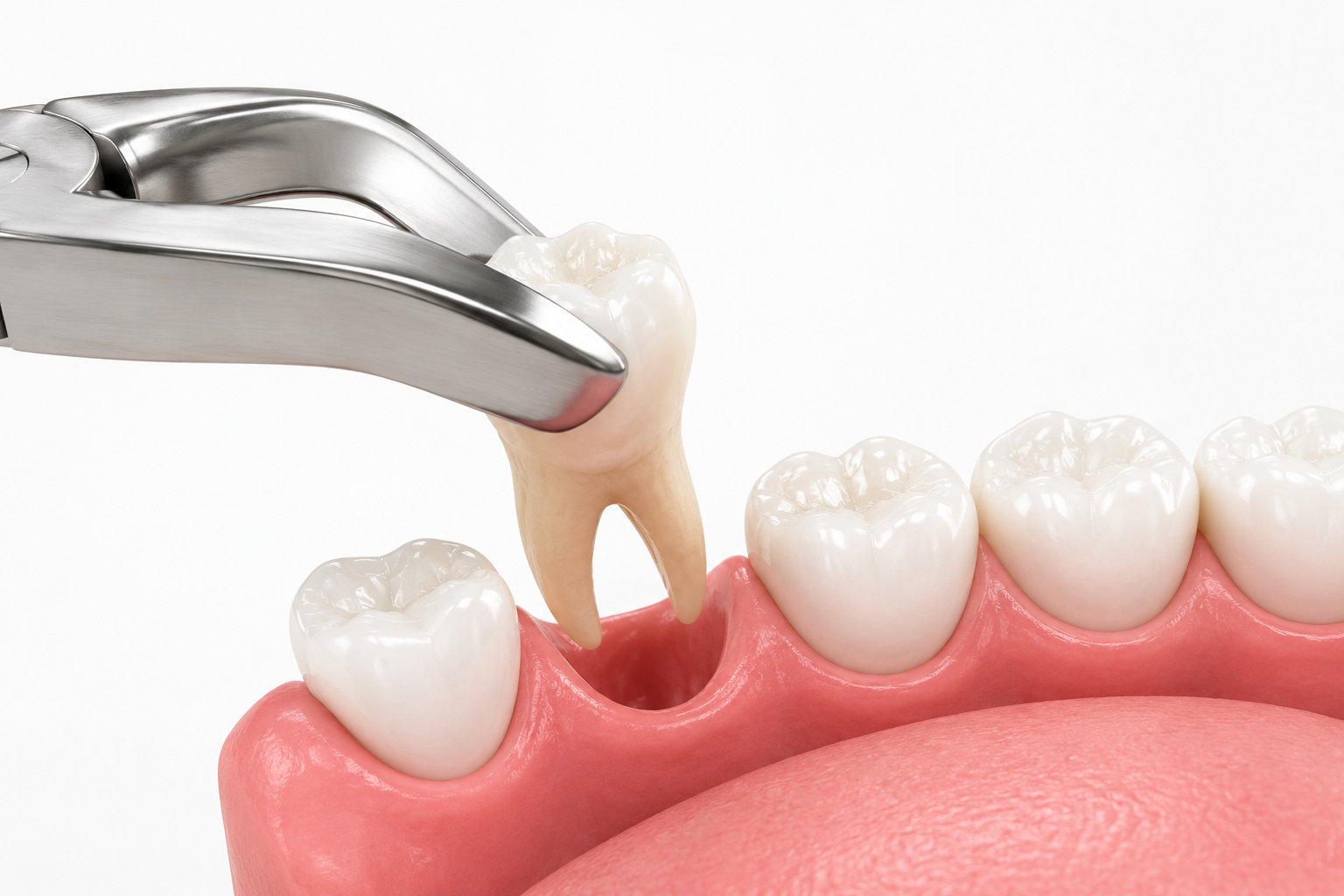
Tooth extraction is a dental procedure in which a tooth is removed from its socket in the jawbone. This procedure is often necessary when a tooth cannot be saved or poses a risk to oral health. Common reasons for tooth extraction include severe decay, infection, trauma, or overcrowding of teeth. The process may vary depending on the location and condition of the tooth being removed, as well as the patient’s individual needs.
There are two main types of extractions:
● Simple Extraction: This is typically performed on visible teeth that are fully erupted above the gum line. The dentist uses specialized tools to loosen the tooth from its socket before removing it. This type of extraction is straightforward and usually requires only local anesthesia to numb the area, making the procedure comfortable for the patient.
● Surgical Extraction: This type of extraction is needed for teeth that are not easily accessible, such as impacted teeth or teeth that have broken beneath the gum line. Surgical extractions require an incision in the gum tissue to access the tooth. The dentist or oral surgeon may need to remove bone or section the tooth into smaller pieces for easier removal. This procedure is more complex and may require general anesthesia or sedation in addition to local anesthesia.
Tooth extraction, whether simple or surgical, is a common and necessary procedure to restore your oral health. At Beverly Hills Dental, led by Dr. Nader Afshari, DDS, we are dedicated to ensuring a smooth and comfortable experience for all our patients. Our team will provide personalized care tailored to your specific needs, guiding you through the process and offering expert aftercare to promote a quick recovery. Whether you need a routine extraction or a more complex surgical procedure, you can trust us to deliver the highest level of care in a compassionate environment.
Teeth are typically extracted when they cannot be saved and pose a risk to your oral health. While pain or discomfort is often the reason for extraction, several other factors may lead to this decision. Below is a list of common reasons why one or more teeth may need to be removed:
● Severe Decay or Infection: When a tooth has excessive decay or infection that cannot be fixed with a filling, extraction may be necessary to prevent further complications.
● Overcrowding: In some cases, teeth may need to be removed to make space for orthodontic treatments like braces or aligners.
● Impacted or Partially Erupted Teeth: Teeth that are unable to fully erupt, such as wisdom teeth, may need removal if they cause pain, infection, or damage to surrounding teeth and gums.
● Advanced Gum Disease: Severe gum disease can cause teeth to loosen, making extraction the best option to maintain overall oral health.
● Trauma: A tooth that is broken beyond repair due to injury or trauma may need to be extracted.
● Preparation for Braces: Before beginning orthodontic treatment, certain teeth may need to be removed to create space for the proper alignment of the remaining teeth.
In the case of wisdom teeth, which are often impacted or partially erupted, extraction may be necessary to avoid potential complications, such as pain, infection, or damage to neighboring teeth or bone. At Beverly Hills Dental, led by Dr. Nader Afshari, DDS, we carefully evaluate your dental health to determine the best course of action for your individual needs.
For patients undergoing a tooth extraction for the first time, you may have several questions. Here’s what you can expect:
● Does dental sedation make tooth extractions pain-free?
For most patients, dental sedation ensures that the tooth extraction procedure is virtually pain-free. Local anesthesia is used to numb the area around the tooth, preventing any pain during the procedure. However, for patients with dental anxiety or a low pain tolerance, additional sedation options like laughing gas (nitrous oxide) or oral sedation can be offered.
The level of pain experienced can vary depending on the complexity of the extraction, such as whether it’s a simple or surgical extraction, how many teeth are being removed, and the location of the tooth. In general, though, sedation options are highly effective at minimizing discomfort during and after the procedure.
● How does recovery proceed after dental extractions?
After a tooth extraction, mild bleeding, swelling, and pain are normal during the first 24 hours. If pain worsens or if you experience dry socket, contact your dentist right away.
Without complications, new gum tissue will begin to grow over the socket within one to two weeks. Full healing may take several weeks as the bone and tissue continue to recover. Following aftercare instructions helps ensure a smooth recovery.
● What should I avoid after a surgical extraction?
After a surgical tooth extraction, it’s important to avoid activities like rinsing, spitting, sucking, and smoking. These actions can disturb the blood clot that forms in the socket, leading to complications like dry socket. Dry socket occurs when the clot is dislodged, exposing the nerve and bone, which can be very painful but can be treated. Avoiding these activities helps ensure proper healing and reduces the risk of complications.
● What is the proper aftercare for tooth extractions?
For proper aftercare, most patients will be prescribed painkillers to manage discomfort during the first few days. A liquid diet is recommended while the mouth is still numb, and soft foods can be introduced once the numbness wears off. After a few days, patients can gradually return to solid foods. Following these guidelines helps ensure a smooth recovery and prevents irritation at the extraction site.
● When should I contact my dentist after a tooth extraction?
You should contact your dentist if you notice signs of infection, such as increased redness, swelling, or discharge, or if the pain worsens after the first few days following the extraction. Your dentist can provide emergency care instructions and ensure proper healing, addressing any complications that may arise.
Tooth removal, also known as tooth extraction, is the process of removing a tooth from its socket in the jawbone. This procedure is often necessary when a tooth is severely decayed, infected, damaged beyond repair, or causing other dental issues. Tooth removal can be performed for various reasons, including preparing for orthodontic treatments or removing impacted teeth like wisdom teeth. Depending on the complexity, the extraction may be simple or surgical, and your dentist will guide you through the appropriate treatment for your situation.
What are some recovery tips after a tooth removal procedure?
After a tooth removal procedure, proper care is essential for a smooth and speedy recovery. It’s important to follow your dentist’s aftercare instructions to avoid complications like infection or dry socket. Below are some helpful tips to ensure the best healing process:
● Rest: Take it easy for the first 24-48 hours to promote healing.
● Manage Pain: Follow your dentist’s instructions for painkillers or prescribed medication.
● Ice Compress: Apply an ice pack to your face for the first 24 hours to reduce swelling.
● Diet: Stick to soft foods and liquids for the first few days; avoid hot, spicy, or hard foods.
● Avoid Smoking and Sucking: Refrain from smoking, using straws, or spitting forcefully to avoid dislodging the blood clot.
● Keep the Area Clean: After 24 hours, gently rinse your mouth with warm salt water to keep the area clean.
● Follow-up: Attend any scheduled follow-up appointments to ensure proper healing.
At Beverly Hills Dental, led by Dr. Nader Afshari, DDS, we prioritize your comfort and recovery after a tooth removal procedure. Our team is here to guide you through each step of your healing process, providing personalized care and expert advice. We are dedicated to ensuring that your recovery is as smooth and swift as possible. For more information, contact us today or book an appointment. We are conveniently located at 414 North Camden Drive #925, Beverly Hills, CA 90210. We proudly serve patients from West Hollywood, Culver City, Bel Air, Hancock Park, and surrounding areas.